01
Choose the equipment
Identify the vehicle, machinery, tool package, or other business equipment you want to purchase.
Equipment financing can help contractors purchase or replace work trucks, heavy equipment, trailers, machinery, and trade-specific tools without using all available cash upfront. Contractor Capital helps contractors and home-service businesses review options through independent financing providers based on the equipment, business profile, and financing need.
Work trucks • Heavy equipment • Trailers • Trade-specific tools & machinery
Equipment financing is generally tied to a specific business-use asset. Depending on the structure, a financing provider may evaluate both the equipment itself and the business purchasing it.
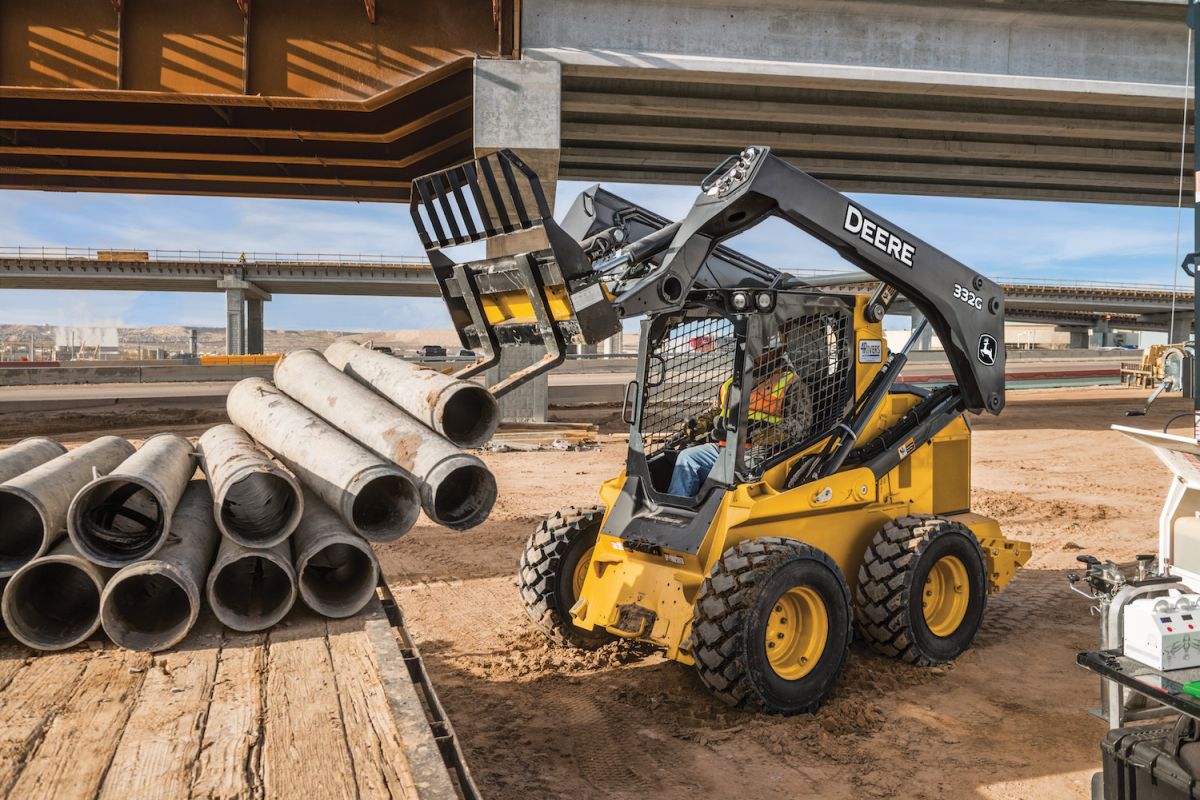
For contractors, that can mean acquiring a service van, excavator, skid steer, trailer, compressor, diagnostic system, or other productive equipment while keeping more cash available for payroll, materials, and day-to-day operations.
The right structure depends on the asset, seller, business profile, existing obligations, and financing-provider requirements.
See how a contractor can finance a work truck, machine, trailer, or other business equipment through an independent financing provider.
01
Identify the vehicle, machinery, tool package, or other business equipment you want to purchase.
02
Provide the quote, purchase price, seller information, and basic equipment details.
03
The financing provider reviews the business, the equipment, and the proposed purchase structure.
04
Available terms, payment structure, and any required contribution depend on the business, equipment, and financing provider.
05
If approved, financing is applied toward the equipment purchase according to the final structure.
06
Use the equipment in the business while making payments according to the financing agreement.
Availability, structure and timing vary by financing provider and transaction.
Service vans, pickups, and other business-use vehicles.
Excavators, skid steers, loaders, lifts, and similar construction equipment.
Equipment trailers, generators, compressors, and similar jobsite assets.
HVAC, plumbing, electrical, roofing, landscaping, and other specialized equipment.
Equipment used in fabrication, repair, service, or business operations.
Replace unreliable assets or add capacity for additional crews and jobs.
Type, cost, age, condition, and expected useful life.
Vendor or seller information, quote or invoice, and transaction details.
Revenue, bank activity, operating history, and overall financial profile.
Business and/or owner credit may be considered depending on the financing structure and provider.
Current obligations and other claims that may affect available financing structures.
How the equipment supports revenue, capacity, efficiency, reliability, or replacement needs.
Tell us about the equipment and your business so Contractor Capital can help identify potential financing structures through independent financing providers.
Equipment financing may be structured as a loan, lease, or another financing arrangement depending on the provider and transaction. Before proceeding, understand how ownership, collateral, payments, and any end-of-term requirements work in the proposed structure.
Equipment financing is generally tied to specific equipment being purchased. Financing providers may review the equipment type, cost, age, condition, seller, expected useful life, business purpose, and the company's financial profile.
Some financing providers may consider used equipment. Eligibility can depend on the asset type, age, condition, value, seller, remaining useful life, and other provider requirements.
They may be, when the vehicle is being acquired for business use and meets financing-provider requirements. Vehicle type, age, mileage, purchase price, seller, and the business profile may be considered.
Not always. Some financing structures may require an upfront contribution while others may not. Requirements depend on the equipment, business profile, transaction, and financing provider.
A financing provider may request a quote or invoice, purchase price, equipment description, model or year, seller or vendor information, and the intended business use. Additional documentation varies by transaction and provider.
In some financing structures, existing business equipment may support a financing request. Value, ownership, condition, existing liens, and financing-provider requirements can affect availability.
Equipment financing is generally tied to the asset. If the business also needs funds for payroll, materials, subcontractors, or other operating expenses, Working Capital, a Business Line of Credit, or another financing structure may be relevant.
Equipment financing may be worth exploring when a vehicle, machine, trailer, or other business asset is needed to replace unreliable equipment, increase capacity, improve efficiency, or support additional work without using all available cash upfront.
Tell us what you’re looking to purchase and a little about your business. Contractor Capital can help you review potential equipment financing options through independent financing providers.
Capital for materials, payroll, and other job costs.
Reusable access for recurring business needs.
Explore qualifying longer-term investments.
Compare programs that may support equipment purchases.
Review the financial activity providers may consider.
Contractor Capital is not a lender and does not provide financial, legal, or tax advice. Funding availability, terms, rates, and approvals depend on the applicant, lender, business profile, creditworthiness, documentation, revenue, and other underwriting factors. Information on this page is educational and should not be considered a guarantee of approval or specific funding terms.